Before + After Gallery
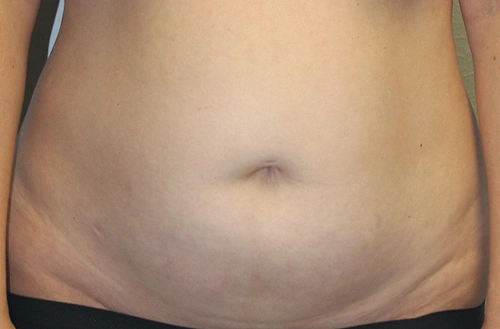
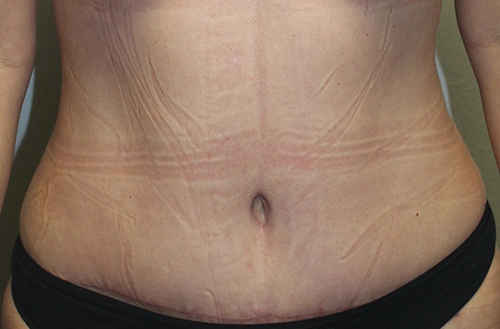
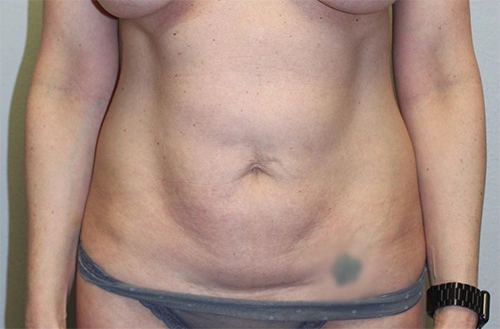
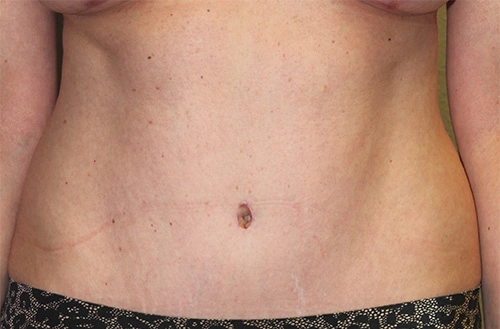
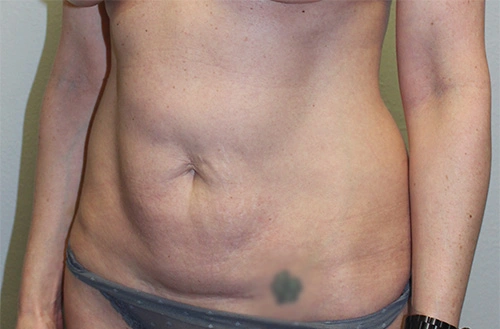
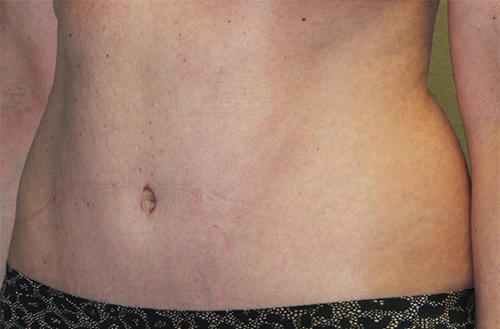
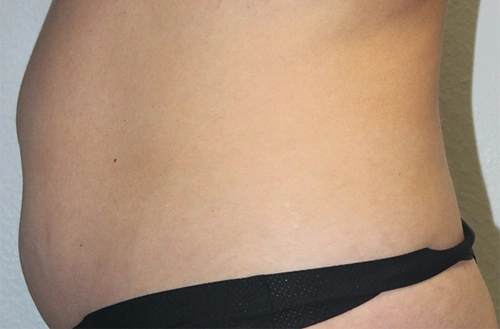
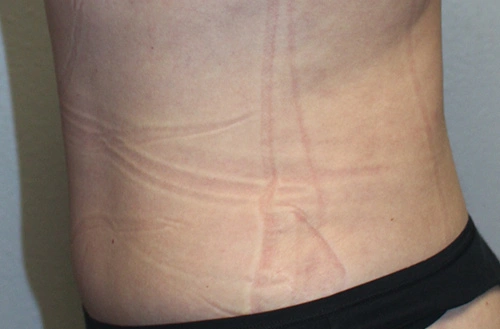
Tummy Tuck Patient
Botox injections are the top non-surgical cosmetic procedure according to the American Society of Plastic Surgeons. In 2007, 4,625,192 Botox injections were given, up from 4,090,517 in 2006. The next in popularity is injections of dermal fillers, at only 1,050,722 procedures in 2007.
Unlike dermal fillers, which inject some type of substance beneath the skin surface to plump it up or support it, Botox works by paralyzing muscles. The tiny dose is injected into a specific muscle and for a few months prevents that muscle from contracting. It does that by blocking a chemical called acetylcholine which motor nerve endings would normally release into the muscle. In other words, it blocks the brain’s message telling the muscle to contract.
Botox is most often used for frown lines, where it is injected into the small muscle which draws the eyebrows together and downwards (called the corrugator supercilii). By blocking any use of this particular muscle, Botox prevents you from frowning and forming those wrinkles. It is also used to treat horizontal forehead lines and some other face and neck areas.
A substance which relaxes muscles and stops them from contracting could potentially have other uses than cosmetic, and in fact Botox is used in ways that don’t receive the publicity of its cosmetic use.
Many of these uses of Botox are off-label, meaning that they are legal but not FDA-approved. A physician can make a professional judgment in individual cases which may not have been specifically tested in the FDA testing phases.
Our use of Botox is cosmetic and if you would like to know more about how it might help you, please contact our cosmetic surgery office today for a personal consultation.
Tummy Tuck Patient
Expert guidance, tailored to your needs.